
Will the new European Union (EU) rules minimise businesses’ destructive impact on workers, communities and the environment beyond the single market’s borders? The European Coalition for Corporate Justice (ECCJ) warns about the proposal’s flaws and exemptions.
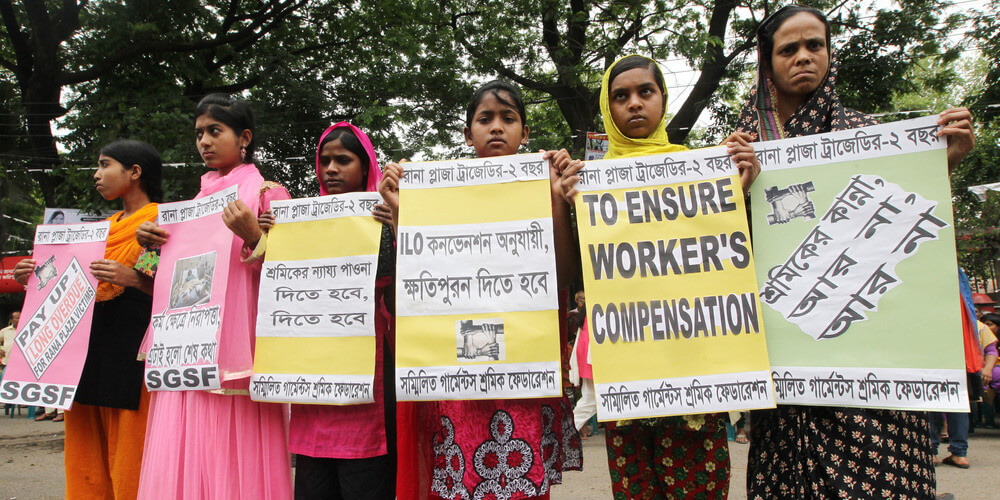
The 2013 collapse of the Rana Plaza sewing workshops in Bangladesh, killing over 1,000 workers, and the 13-year-long legal battle of Nigerian farmers against the multi-national oil and gas giant Shell for lost wages, loss of livelihoods and contaminated land and water caused by oil spills, are simply two examples highlighting the adverse impacts of global supply chains on local communities and their difficulties to obtain justice.
In a bid to stop corporates shirking their sustainability and liability responsibilities, on 23 February 2022, the EU adopted a proposal that requires public and private sector companies registered in its territory to identify, prevent, end or mitigate adverse impacts of their activities on human rights and the environment.
Free, in under 30 seconds
Join thousands of professionals reading Salaam Gateway — the Global Islamic Economy Gateway.
Already a member? Sign in
- 5 free articles every month
- Weekly Islamic-economy newsletter
- Save articles to read later