GDP-linked Sukuk: A tool for economic growth and stability
This article is produced and sponsored by IsDBI. It was first published in the State of the Global Islamic Economy 2025/26 report produced by DinarStandard. The report can be downloaded from here.
I. Introduction
The alarming rise in global public debt demands innovative, long-term financing solutions. For the Global South, the “Looming Debt Crisis” highlights the need for transformative approaches beyond temporary relief. Among these, GDP-linked bonds are emerging as a promising pathway for sustainable development financing.
First proposed in the 1980s and gaining renewed support after successive debt crises, GDP-linked debt aligns repayment with economic performance. Supported by leading economists and the IMF, this model offers a sustainable way to manage debt and promote sustainable growth.
Islamic finance principles, rooted in risk-sharing, make GDP-linked Sukuk a natural fit for development finance. By tying obligations to GDP, these Sukuk provide equitable and resilient solutions that align with Islamic ethics.
Free, in under 30 seconds
Join thousands of professionals reading Salaam Gateway — the Global Islamic Economy Gateway.
Already a member? Sign in
- 5 free articles every month
- Weekly Islamic-economy newsletter
- Save articles to read later
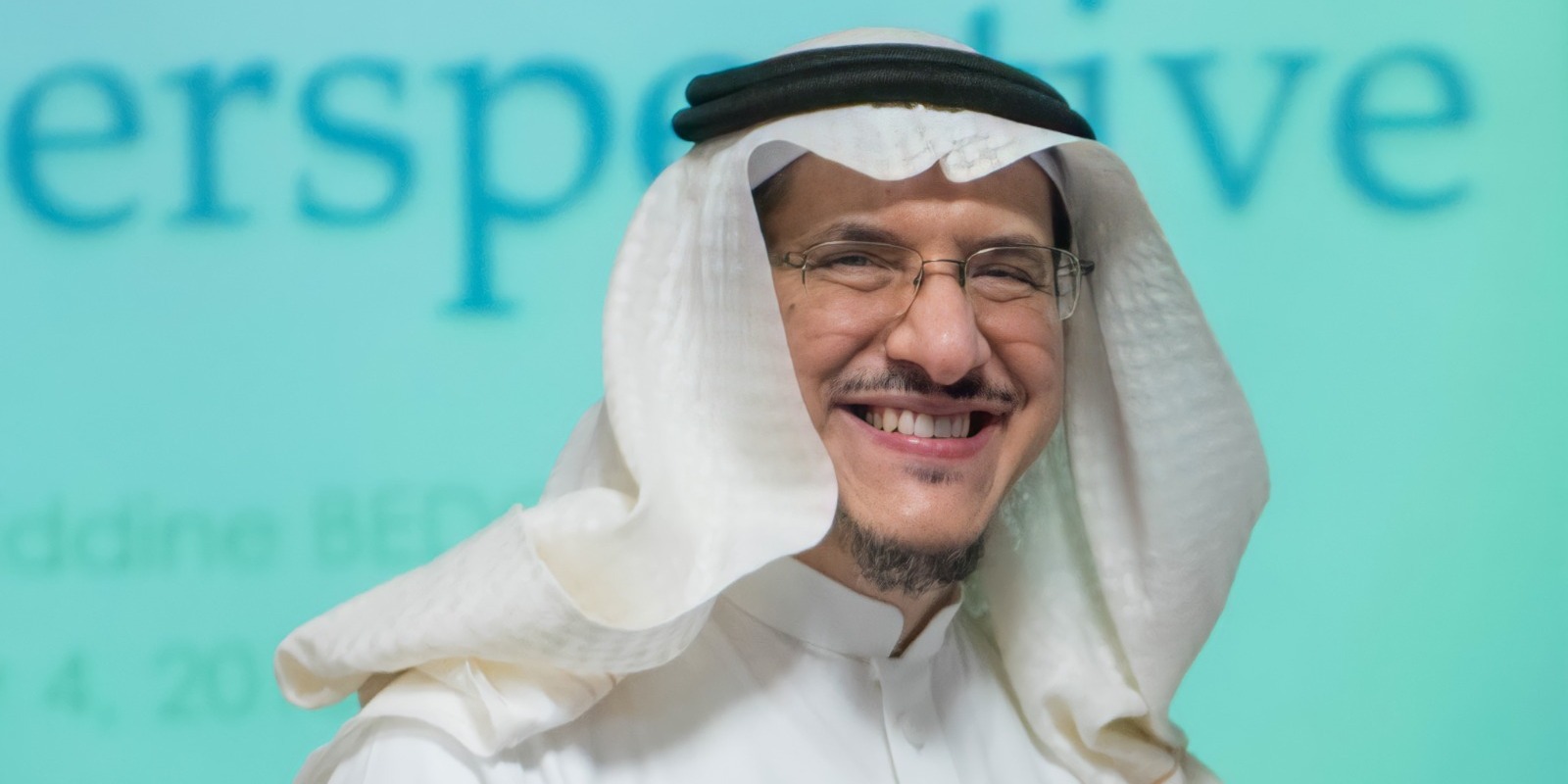
Dr. Sami Al Suwailem Acting Director General, IsDBI