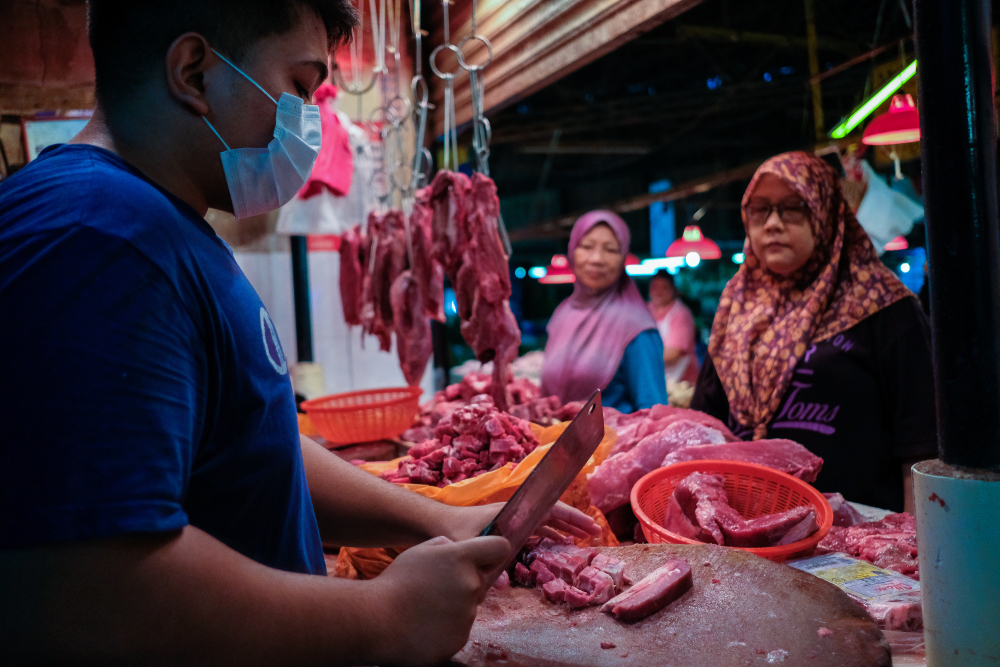
How can Malaysia achieve halal food security and self-sufficiency? One expert submits her plan
Food security and self-sufficiency have become increasingly urgent amid the COVID-19 crisis during which the movement of goods and people have either been halted or restricted. During this time as well, physical halal auditing and certification processes have been suspended, potentially leading to the risk of shortages of halal-certified ingredients, foods and beverages, as well as inauthentic halal supplies.
Halal expert and professional Roziatul Akmam Osman has a plan she believes can help Malaysia achieve a sound level of halal self-sufficiency moving forward. She submitted her plan online on April 6 to the Secretariat of the Economic Action Council (via its co-chair the Economic Planning Unit) that was established March 11 to address what the government said are Malaysia’s “economic woes”. Rozi is waiting to hear back from the Council.
In this Q&A, the former General Manager, Group Halal & Government Relations for the Chemical Company of Malaysia (CCM), says her plan includes the government establishing a working group co-chaired by the Halal Development Corporation (HDC) and Department of Islamic Development Malaysia (JAKIM), a "Halal Trading House", and have both JAKIM and HDC leverage their extensive global and domestic reach.
Free, in under 30 seconds
Join thousands of professionals reading Salaam Gateway — the Global Islamic Economy Gateway.
Already a member? Sign in
- 5 free articles every month
- Weekly Islamic-economy newsletter
- Save articles to read later