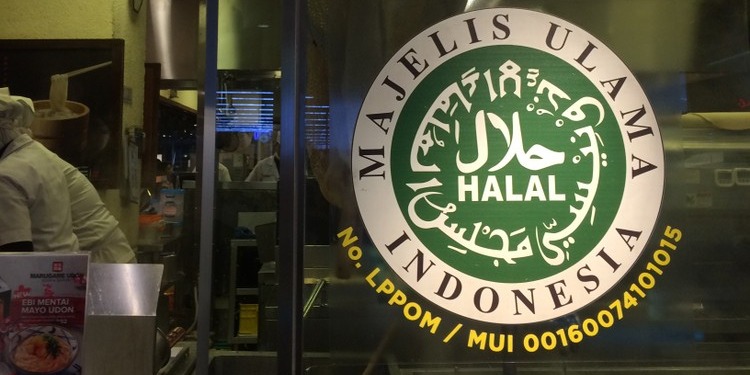
Indonesia’s LPPOM-MUI readying anti-bribery management system for halal processes

JAKARTA - Indonesia’s once all-powerful halal certifier LPPOM-MUI is preparing to implement the anti-bribery management system ISO 37001 after years of criticisms for lack of transparency and allegations of corrupt practices.
The Assessment Institute for Foods, Drugs and Cosmetics of Majelis Ulama Indonesia, better known as LPPOM-MUI, for some three decades held the monopoly for halal certification in Southeast Asia’s largest economy. From when it first started, in 1989, to October 2019, the assessment institute, or LPPOM, reported results of tests and audits for the halal-ness of foods and products directly to the fatwa committee of the non-governmental body Majelis Ulama Indonesia, which would issue halal certificates.
In October 2019, the task of issuing halal certificates fell on new government authority BPJPH as the requirement for compulsory halal labeling kicked in. The role of the clerical body MUI shifted to providing fatwa and its LPPOM became one of several testing and auditing services working with BPJPH. The government agency since October 2019 has had oversight of the halal certification process, including auditing and the recognition of foreign halal certification bodies, an exercise that has proven to be sensitive in the past and opened MUI or its officials to criticisms and allegations of bribery and other unethical activities. This is due to the way the system is set up.
Free, in under 30 seconds
Join thousands of professionals reading Salaam Gateway — the Global Islamic Economy Gateway.
Already a member? Sign in
- 5 free articles every month
- Weekly Islamic-economy newsletter
- Save articles to read later