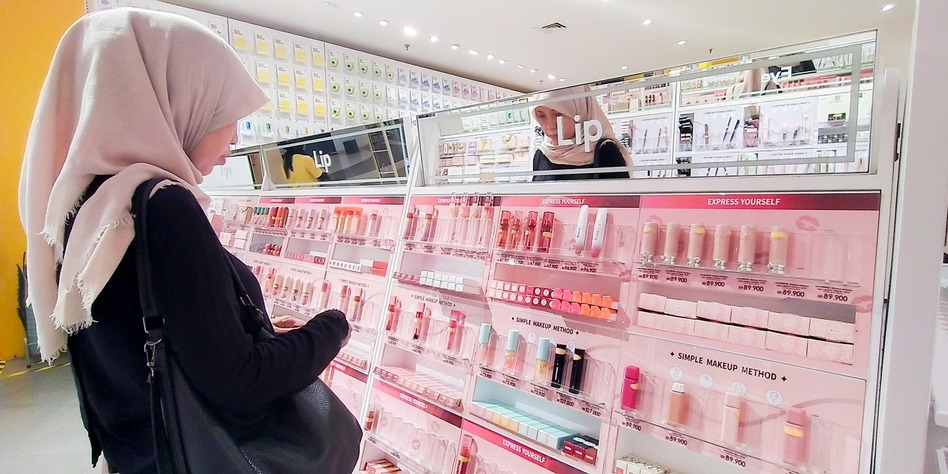
The global beauty industry is undergoing a transformation with consumers becoming more conscious of the ingredients they use, the values they uphold, and the impact of their purchases. As Muslim populations continue to grow and become more economically influential, spending on beauty and personal care products has risen significantly. The State of the Global Islamic Economy (SGIE) Report 2024/25 estimates that Muslim consumer expenditure in this category reached approximately $87 billion in 2023, with forecasts suggesting it could climb to nearly $118 billion by 2028, underscoring the industry's steady momentum.
According to the SGIE Report (2024/25), the halal cosmetics sector, though recently experiencing a dip with only 8 deals in 2023, is expected to see a surge in investment in the coming years, fueled by increasing consumer awareness and demand for ethically sourced, cruelty-free, and halal-certified beauty products.
Key markets such as Southeast Asia, the Middle East, and North Africa are projected to drive demand, supported by government initiatives promoting halal certification standards and offering incentives for local manufacturers.
Free, in under 30 seconds
Join thousands of professionals reading Salaam Gateway — the Global Islamic Economy Gateway.
Already a member? Sign in
- 5 free articles every month
- Weekly Islamic-economy newsletter
- Save articles to read later
Muhammad Ali Bandial