Could cooperation with U.N. agencies optimize the humanitarian impact of Islamic philanthropy?
This article is produced and sponsored by UNHCR. It was first published in the State of the Global Islamic Economy 2020/21 report produced by DinarStandard and supported by the Dubai Islamic Economy Development Centre. The report can be downloaded from here.
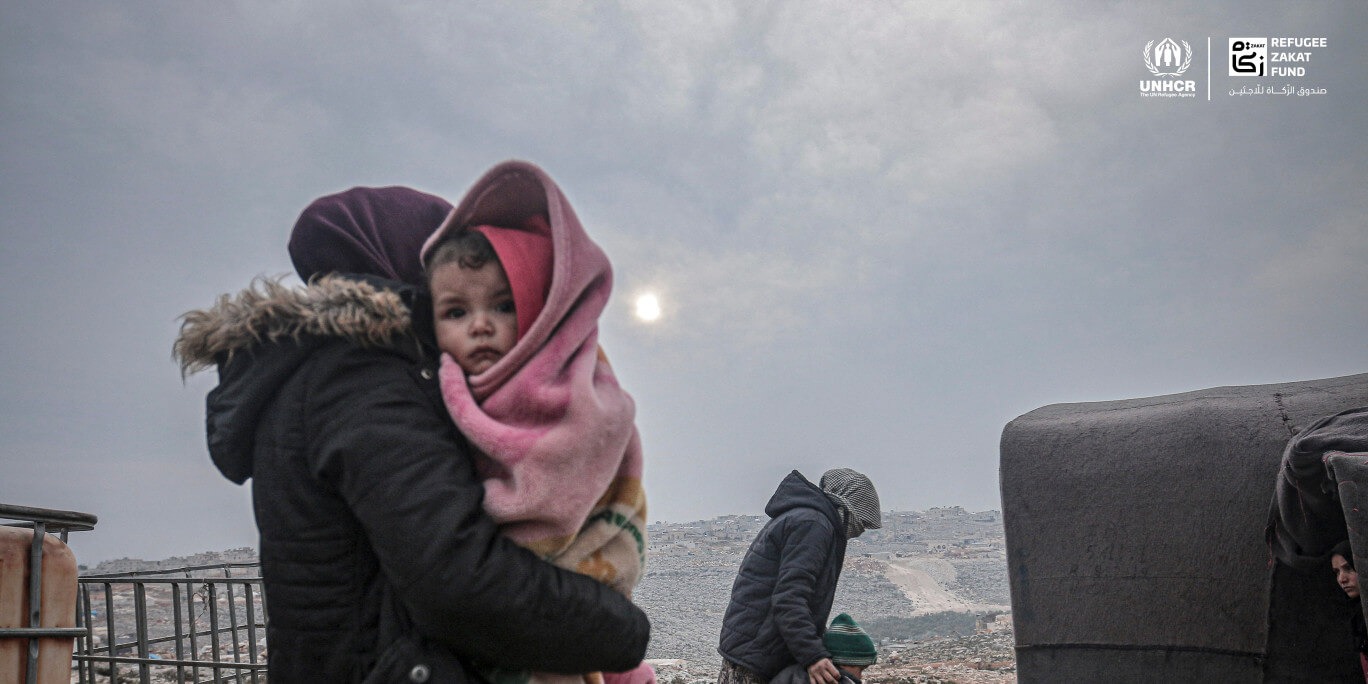
We live in a world where 1% of humanity has been forced to flee their homes. Nearly 80 million people around the globe are forcibly displaced, including 26 million refugees. If the displaced population were a country, it would rank among the top 20 largest countries in terms of population, bigger than the UK, France, South Africa, or South Korea. This situation becomes more tragic when we realize that 40% of the total are children and that 68% come from only 5 countries, namely Syria, Venezuela, Afghanistan, South Sudan, and Myanmar (Rohingya refugees).
Free, in under 30 seconds
Join thousands of professionals reading Salaam Gateway — the Global Islamic Economy Gateway.
Already a member? Sign in
- 5 free articles every month
- Weekly Islamic-economy newsletter
- Save articles to read later