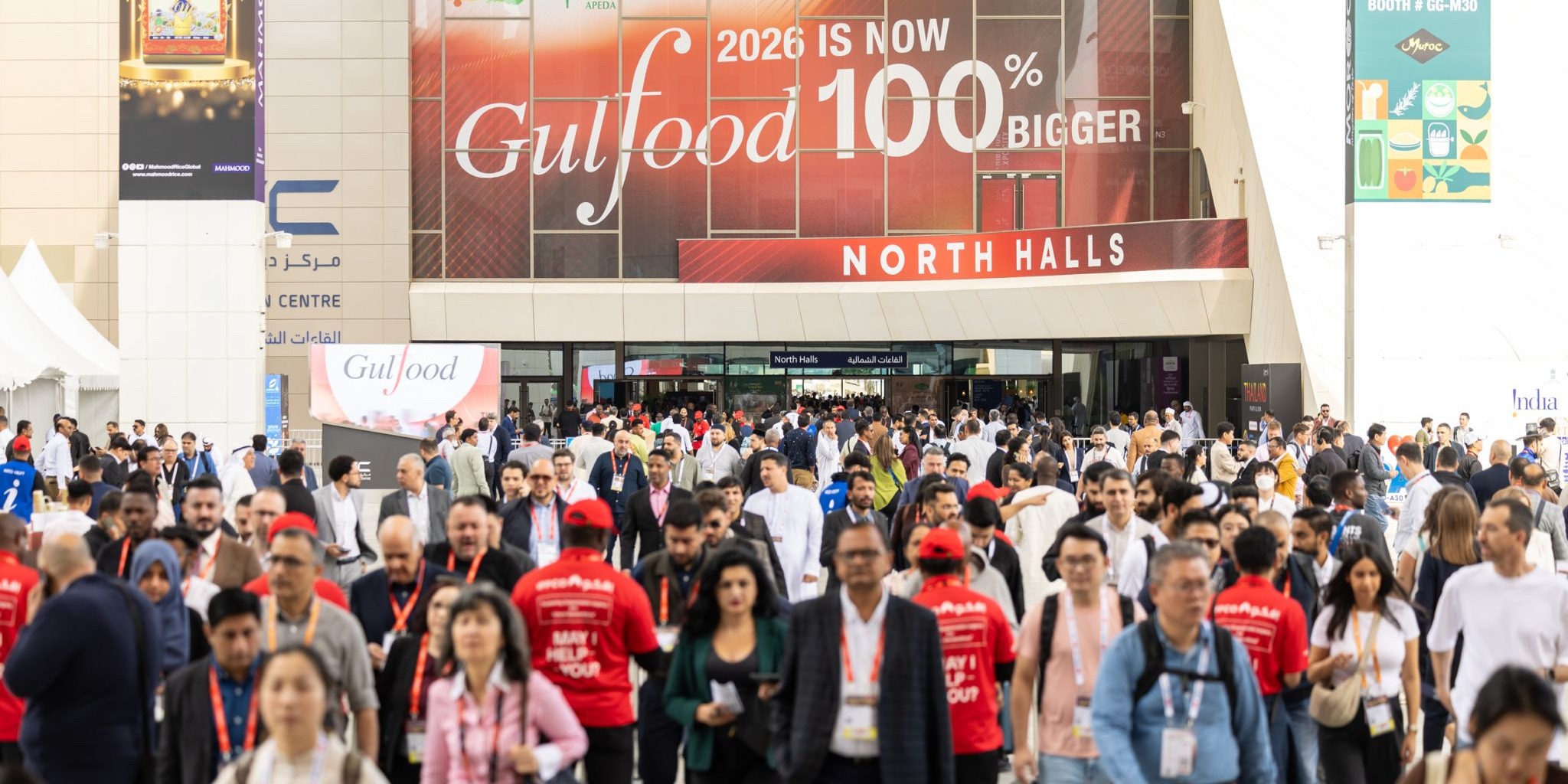

Gulfood 2026 signals new growth chapter for the global halal food industry
Gulfood 2026 has drawn the curtains after five packed days, reinforcing its status as the world’s largest food and beverage trade show - and a notable barometer for the halal economy’s next phase of growth.
Halal food manufacturers from every region - from major multinational players to fast-scaling innovators - converged on Dubai to unveil new products, announce investments, and establish trade relationships with key players across the Middle East and beyond.
Rim Messaadi, an international export consultant, said Gulfood 2026 saw a notable rise in the number of companies seeking to export halal products, alongside a broader range of offerings spanning meat, dairy, bakery, and value-added foods.
This momentum, she added, highlights both the commercial opportunities in halal trade and the growing imperative for companies to understand Muslim consumer expectations and secure the necessary certifications.
Local giants scaling halal supply chains and innovation
UAE-based F&B colossus Al Ghurair Foods’ launch of PURL - a new food ingredients brand encompassing starches, sweeteners, speciality flours, edible oils, oats, liquid egg, and meat coating systems - was one of the show’s most significant announcements.
The manufacturer also revealed a $20 million investment in a meat coating systems plant with an annual production capacity exceeding 60,000 tons. The facility will support halal-certified solutions while reducing lead times by up to 50%.
Turgut Yegenaga, CEO of Al Ghurair Foods, said that by investing in these areas, the company is “strengthening local supply chains while responding to the evolving needs of food producers across the region and international markets.”
Also drawing attention was Al Ain-based Ostrich Oasis Trading, the Middle East’s only large-scale ostrich farm and processing facility.
The company showcased its halal ostrich meat, billed as a product “high in protein, low in fat and cholesterol, and still unfamiliar to many global markets”, highlighting demand for alternative, premium proteins.
Europe: From heritage foods to cultivated meat
European exhibitors brought a mix of traditional products and next-generation solutions to Gulfood.
Georgia-based family-owned food brand Chizzzy presented its halal-certified Acharuli Khachapuri - the Georgian 'cheese boat' - frozen and ready to bake in 10 minutes.
“The response was very positive; we saw strong interest, lots of tastings, and many visitors recognized the product and taste profile,” Giorgi Botchorishvili, founder of Chizzzy, tells Salaam Gateway.
“We’ve had strong business conversations and promising contacts, and our goal now is to convert these into our first international sales through follow-ups.”
“Halal certification is important for Gulf markets and international expansion, and we wanted to ensure we are fully prepared for buyers in those regions from day one,” adds Botchorishvili.
Scotland’s The Scottish Venison Co. targeted Middle Eastern buyers with Alba Crown, its halal-certified wild Scottish venison positioned as an ethically sourced, lean red meat rooted in traditional Scottish heritage.
Also from Scotland, Roslin Technologies joined a trade mission to the UAE to explore partnerships aimed at bringing halal cultivated meat to the region.
Several french exhibitors formed part of the F&B jamboree, including Nathal by Cooketto Group, which showcased slow-cooked halal pulled meat and steak, and Gers Distribution, which launched Grand Sud Signature, a halal range based on PGI South-West duck.
Lithuania’s Vilvi Group highlighted its EU-grade halal-certified whey protein - produced during its cheese-making process and containing more than 80% protein in its dry matter.
Spain made one of the strongest impressions, with Casa Alhambra winning the Best Meat & Poultry Product at the Gulfood Innovation Awards 2026.
The company unveiled Halmón, a cured turkey leg inspired by centuries-old Spanish jamón traditions and developed for halal markets.
“This recognition means a lot to us. It reflects years of hard work, craftsmanship, and belief in what we’re building: premium halal cured meats made in Spain, combining tradition, innovation, and uncompromising quality,” the company said in a LinkedIn post.
Asia Pacific: Convenience, traceability, and functional foods
Asia-Pacific exhibitors leaned heavily into ready-to-eat, export-ready, and functional halal foods.
Australia’s Yummy Karma presented its halal-certified chilled and frozen ready meals, while New Zealand’s Lilo Desserts introduced portion-controlled halal desserts designed for international foodservice.
Hong Kong-based KIN Farms attended Gulfood to deepen its understanding of GCC market dynamics ahead of launching halal-certified frozen liquid eggs in the region.
The product eliminates the labor, waste, and time associated with shell eggs, targeting manufacturers, hotels, and large-scale kitchens.
“KIN Farms’ frozen liquid eggs are real, pasteurized eggs that have been broken out of their shells, lightly processed for safety, and immediately frozen to preserve peak freshness and nutritional value,” Cindy Yin, head of business development at Kin Farms. tells Salaam Gateway.
“Our pasteurization process eliminates pathogens without cooking the egg. Crucially, our radical transparency model allows us to provide full traceability back to the farm of origin - something nearly impossible with mixed shell egg supplies - ensuring both halal integrity and ethical sourcing in every batch.”
Malaysia brought its largest-ever Gulfood delegation, with more than 120 exhibitors under the Malaysia Pavilion. Among them was EMZI Group, which launched Muglove, a high-protein, botanical-enriched instant cupcake mix.
Led by the Malaysia External Trade Development Corporation (MATRADE), the country’s participation underscored a strategic shift from raw ingredients to high-value processed foods.
The pavilion featured a 'Best for You' zone with organic products from over 40 exhibitors, alongside strong representation across gourmet sauces, pastes, and ready-to-eat meals.
“Our participation in Gulfood 2026 reflects the resilience of Malaysia’s food and beverage producers,” MATRADE CEO Abu Bakar Yusof said in a statement.
“We’re no longer exporting ingredients alone - we’re exporting lifestyle solutions. Whether it is a nutrient-rich functional drink or a premium ready meal, Malaysian brands are proving that convenience and health can co-exist within the gold standard of halal assurance.”
Latin American powerhouses eye halal demand
Brazil arrived in force, with 22 agribusinesses taking part in Gulfood, including industry leaders Ad'oro Alimentos, Bello Alimentos, Copacol, GT Foods, Pif Paf, and Villa Germania.
Pif Paf, operating in the Middle East under the Rio Branco Foods brand, showcased halal-certified shredded cooked chicken breast suitable for several culinary options, from shawarma and pies to tacos and pizzas.
Brazilian poultry giant MBRF unveiled a refreshed visual identity for its Sadia brand - known for halal frozen meats and ready-to-eat meals - at the exhibition.
Meanwhile, Argentina strengthened its presence with nine companies - including Rioplatense, Bermejo, and Azul Natural Beef - promoting Argentine beef.
North America: Expanding halal footprints
North America’s halal sector participation was led by Solmaz Foods, a Canada-based halal manufacturer specializing in deli meats and pizza toppings. In early 2026, Solmaz became the first Canadian company to export deli products to the UAE.
US-based Crescent Foods also showcased its halal chicken, beef, turkey and lamb offerings as part of its international expansion strategy.
Africa: Premium beef finds new markets
Africa’s presence included Botswana Meat Commission (BMC), which participated alongside the Botswana Investment and Trade Centre (BIMC) to expand export markets for pasture-raised beef.
The participation follows BMC’s accreditation to export beef to the UAE three years ago and its first shipment after meeting stringent quality and halal requirements.
“This accreditation opened the door to one of the most lucrative premium beef markets in the Middle East and represents an important diversification of markets beyond BMC’s historical strongholds in the European Union and southern Africa,” BIMC said in a LinkedIn post.
Halal trade moves from compliance to competitive advantage
Gulfood 2026 drilled home a key imperative: halal certification is more than just a compliance requirement - it is competitive strategy.
Across regions, companies are investing in traceability, convenience, and innovation to meet the expectations of a global Muslim consumer base that is increasingly discerning and brand conscious.
For exporters and manufacturers alike, the message from Dubai was unmistakable: the future of halal belongs to those who combine authenticity with scale, and tradition with innovation.