The Iranian conflict should galvanize the region’s renewables pursuits
The Iranian conflict has served as a stark reminder of how dependent the world remains on regional energy supplies, and how fuel prices could potentially shape geopolitical situations.
For policymakers across the region and the world, this volatility serves as a signal flare and a reinforcement of the logic of diversification. Renewable energy provides a concrete buffer, reducing dependencies on fossil fuels for power generation. Indigenous electricity requirements can be stabilized through solar and wind power, leaving substantial fossil inventory for Gulf countries to export.
Renewable energy sources enable hydrocarbon economies to consolidate their principal energy sector, as they work towards a diversified future. There are strong economic reasons for this. The levels of solar irradiation in Middle Eastern countries is amongst the highest in the world, and due to large-scale renewable projects, electricity prices have dropped to record lows.
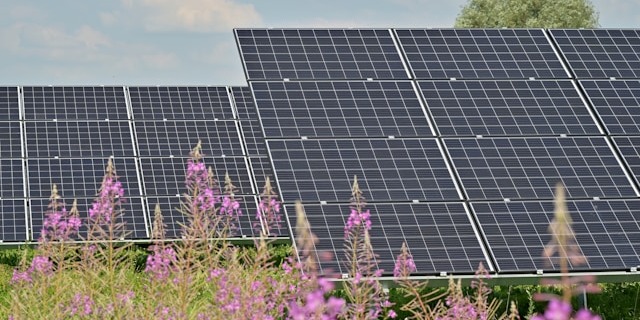
A good example is the Al Dhafra solar photovoltaic power plant in Abu Dhabi, one of the world’s largest solar projects. The project was awarded a tariff of 1.35 US cents per kilowatt-hour, which is among the lowest solar power tariffs ever recorded globally. This economic logic explains why there is growing investment in renewables while oil and gas production continues in tandem.
Soaring demand to be met sustainably
Electricity consumption is soaring in Gulf states because of population growth, industrial expansion and the cooling needs of air conditioners. While this demand has historically been met by burning fossil fuels, there is a rapid surge in renewable energy capacity now.
The foremost reason for this shift is not climate activism - it involves economics, energy security and long-term strategic thinking.
Saudi Arabia, as part of the Vision 2030 scheme, will build almost 59 gigawatts (GWs) of renewable capacity by 2030 as part of the National Renewable Energy Programme. The UAE is taking a similar approach with the 5GW Mohammed bin Rashid Al Maktoum Solar Park project in Dubai amongst the largest solar projects globally. At the same time, Egypt has established itself as a renewed hub through efforts, including the 1.6GW Benban solar complex, which played a significant role in expanding the nation’s solar capacity.
Islamic capital markets are becoming increasingly involved with clean projects. Governments and companies across the region have started utilizing green and sustainability-linked sukuk for financing energy investments.
Saudi’s sovereign green sukuk programme has raised billions of dollars which will be used to support eco-friendly projects. The Islamic Development Bank has also issued green sukuk to finance renewable energy infrastructure across member countries.
Sovereign wealth funds are chipping in, too. Take Abu Dhabi’s Mubadala, which controls over $300 billion, or Saudi Arabia’s $1.1 trillion Public Investment Fund. Both are investing in energy and clean tech. Mubadala plays a role in Masdar, the UAE’s top renewable energy company, which operates projects in more than 40 countries and aims to reach 100GW of renewable capacity worldwide by 2030. In essence, the Gulf region is not only charting its own green transition course but is also funding a global shift towards clean energy.
The transition is anything but seamless
However, all is not ‘green’. For renewables to truly work, countries need power grids, better storage and new regulations that can navigate the complexities of solar and wind power production. The current energy systems were mostly built for fossil-fuel plants, not the kind of decentralized renewables that policymakers may be pushing for.
There's also the fact that oil and gas money continues to steady state coffers and fund colossal economic transformation plans across Middle Eastern countries, which means that the energy shift may not happen overnight.
This gradual approach may have an advantage for the region, too. If renewable energy is driven by economic reasoning, that is to reduce domestic fossil fuel consumption, improve energy security and attract investment, this transition may be less vulnerable to political shifts.
That said, a strategic economic shift towards renewable energy is underway - for investors and businesses, this development is significant.
Building new infrastructure, plants, wind farms and grids across the region will require serious capital, smart engineering and innovative financing models. Islamic finance, especially green sukuk, will have a broader mandate to bringing in that sort of investment.
The energy system is slowly but surely shifting. In the Middle East though, it's not just about phasing out oil. It's ensuring the region retains its crown as the energy provider and leader and the world transitions towards a cleaner future.
Youshey Zakiuddin