Image Courtesy: Pexels

Top 10 Islamic economy ecosystems in the world


The global Islamic economy, which spans halal food, Islamic finance, modest fashion, Muslim-friendly travel, halal pharmaceuticals, halal cosmetics, and media and recreation, reached $2.60 trillion in consumer spending in 2024, and is further projected to grow to $3.56 trillion by 2029. When Islamic finance assets of $5.99 trillion are included, the total market stands at nearly $9 trillion, making it one of the most significant and fastest-growing economic systems in the world.

Methodology
To identify which countries are best positioned within this system, the State of the Global Islamic Economy (SGIE) 2025/26 report assesses how effectively countries are positioned to capture opportunities within the Islamic economy relative to their economic scale.

It covers 81 countries using 52 metrics across five core components — financial activity, governance, awareness, social impact, and innovation — applied across seven sectors: halal food, Islamic finance, Muslim-friendly travel, modest fashion, halal pharmaceuticals, halal cosmetics, and media and recreation.

Scores are normalised to ensure comparability across economies of different sizes, meaning the ranking reflects ecosystem quality and coordination rather than absolute market volume.

Indicator scores breakdown for top 10 countries
Indicator scores breakdown for the top 10 Islamic ecosystems 


Below are the 10 strongest Islamic economy ecosystems in the world, ranked by their 2025 GIEI scores.

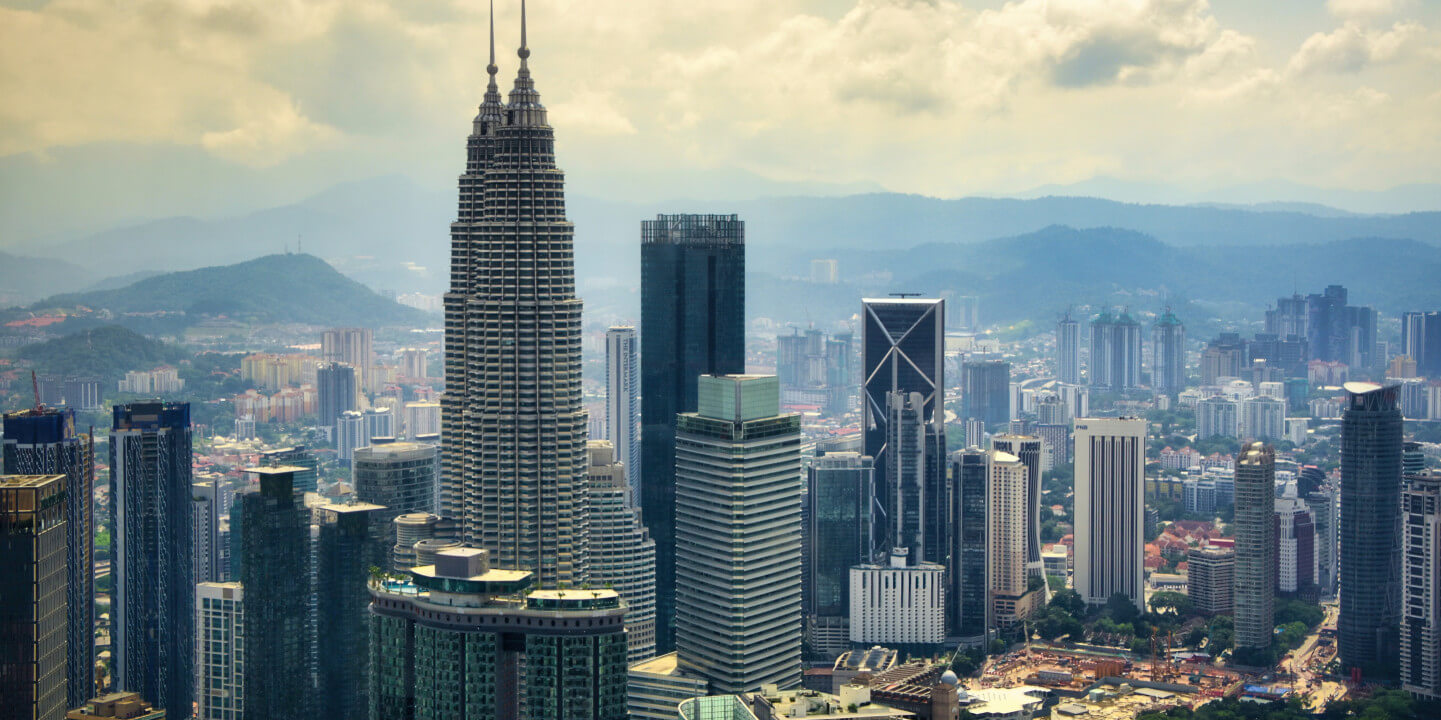
1. Malaysia
 GIEI Score: 186.1

Malaysia retains its number one position for the twelfth consecutive year, ranking first in halal food, Islamic finance, and halal pharmaceuticals and cosmetics. The country's ecosystem is anchored by the depth and global integration of its halal infrastructure: a fully digital certification system (MYeHALAL), expanded auditor capacity, and formal adoption of OIC/SMIIC halal standards for global alignment. In Islamic finance, Malaysia recorded a 12% increase in assets and a 13% rise in Islamic fund value, with PNB's $300 million sukuk issuance among the headline transactions. Malaysia also hosted over 1,000 stakeholders at the World Halal Business Conference 2025 and showcased at World Expo 2025 in Osaka, reinforcing its role as the industry's primary convening hub.

2. United Arab Emirates
 GIEI Score: 137.5

The UAE climbs from fourth to second, ranking in the top three across all six sectors. The country recorded the most active Islamic economy investment environment globally in 2025, with 94 transactions spanning venture capital, private equity, and M&A, and registered the second-highest FDI inflows among OIC countries at $45.6 billion. Islamic finance expanded through a government Treasury Sukuk programme accessible from AED 4,000, while digital innovation advanced through Shariah-compliant Bitcoin trading. The UAE-Malaysia Comprehensive Economic Partnership Agreement, which includes a dedicated Islamic economy chapter, further strengthens the country's role as the region's capital and connectivity hub.

Continue reading

Free, in under 30 seconds

Join thousands of professionals reading Salaam Gateway — the Global Islamic Economy Gateway.

Joined by 12,000+ Islamic economy professionals
  • 5 free articles every month
  • Weekly Islamic-economy newsletter
  • Save articles to read later

Author Profile Image
Muhammad Ali Bandial