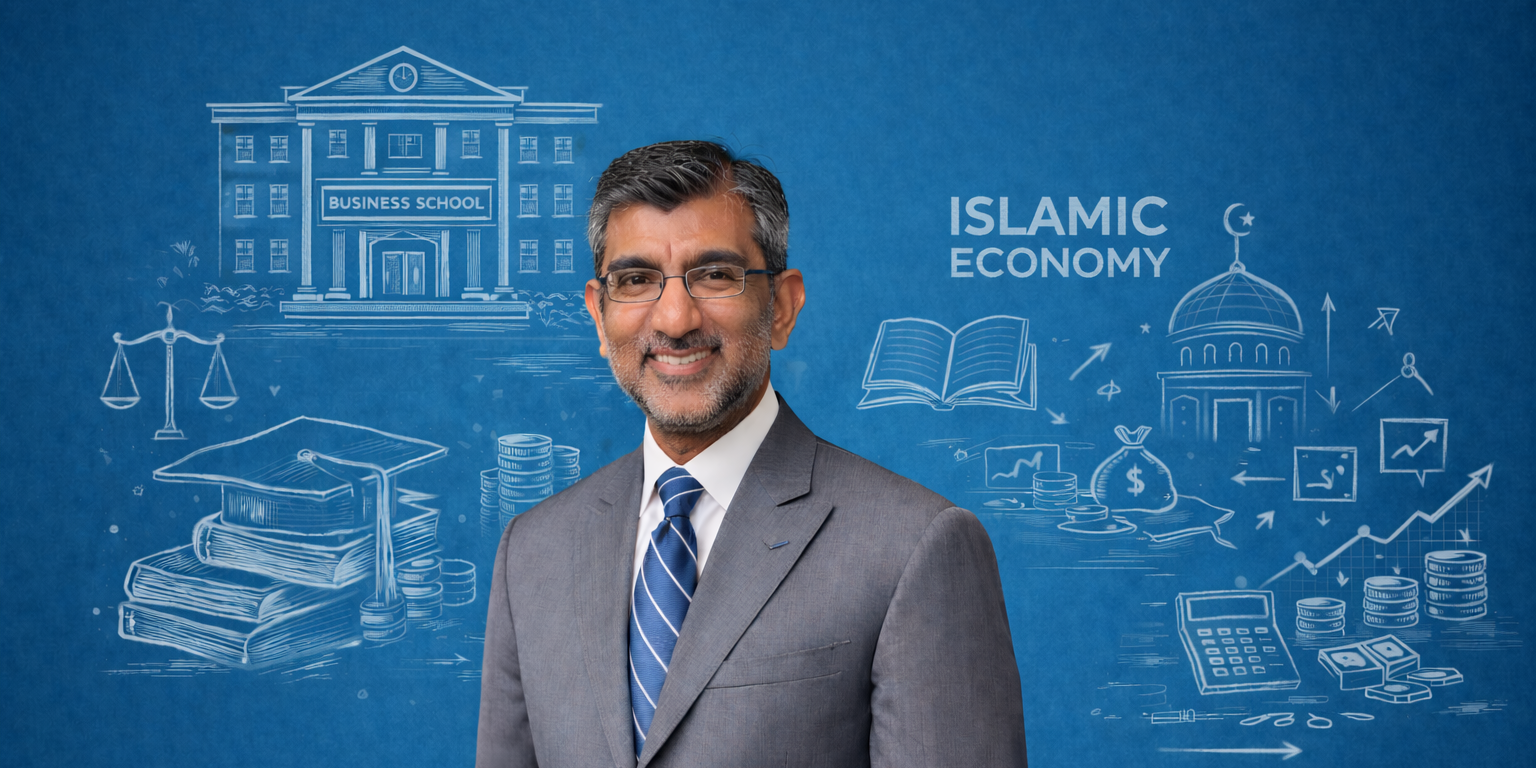
Top 30 IE business schools: Diversity, complementarity & momentum shine through

The Top 30 Business Schools of the Islamic Economy ranking is a milestone moment. The ranking both recognizes efforts made by higher education institutions across the globe and highlights the importance of developing human capital with specialized knowledge of the Islamic economy.
Three aspects of the rankings are particularly striking – diversity, complementarity, and momentum.
Diversity
The business schools span 13 countries, including nations in the ASEAN, MENA, and EU regions. Institutions in four G20 countries – Saudi Arabia, the UK, Indonesia, and Türkiye – are featured. The schools include both longstanding leaders in higher education and relatively new institutions.
This diversity is a testament to the fact that the Islamic economy has been recognized as relevant across regions, countries, and stages of institutional development. The eagerness with which a diverse group of institutions have pursued the opportunity is a signal that it resonates with students, employers, and educators.
If the Islamic economy were not a global phenomenon, the top 30 list would look very different.
Complementarity
The composition of the list reflects the crucial complementarity of institutions. INCEIF University, which topped the list was specifically established by Bank Negara Malaysia in 2005 to develop human capital for the Islamic finance industry.
Most other institutions on the list are broad-based ones (either business schools or universities) that have added curricula, research, and ecosystem support related to the Islamic economy.
They have done so based on demand from students and employers, interest from faculty and researchers, and support from a wide range of stakeholders.
As the sector evolves, each category of institution has an important role to play. Specialized institutions bring a unique level of focus and concentrated expertise.
Broad-based institutions link emerging Islamic economy topics with traditional business disciplines and curricula. A robust system requires both categories and fruitful exchange between the two.
Momentum
Malaysia’s strong leadership in the rankings (home to nine of the listed 30) is a result of the country’s longstanding strategic commitment to Shariah-compliant finance and the larger Islamic economy. Sustained efforts in institution-building have borne fruit.
In the future, I expect to see Africa-based institutions appear in the Top 30. As many as 27 of the 57 countries that comprise the OIC are in Africa, and the continent plays a vital role in intra-OIC trade and investment flows.
I likewise expect to see North American institutions make the list in the years ahead - the Islamic economy opportunity in North America has been estimated at $186 billion - business schools are a US invention, and many of the world’s leading business schools are in North America.
I foresee further development being supported by ongoing expansion of the Islamic economy (and thus opportunities for employment and entrepreneurship) and increased appreciation for specialized education and research on the topic.
A third source of momentum will be expanding alumni networks of both specialized institutions and programs at broad-based institutions. As we have long seen in business education, the success of alumni practitioners plays a central role in the advancement of institutions that trained them.
Dr Aamir A. Rehman is the chair of Innate Capital Partners, a New Jersey-headquartered investment vehicle. His views are entirely his own and do not represent those of his affiliated institutions.
To view the Top 30 Business Schools of the Islamic Economy ranking, click here
Dr. Aamir A. Rehman