Ten Muslim-friendly airports in non-Muslim countries
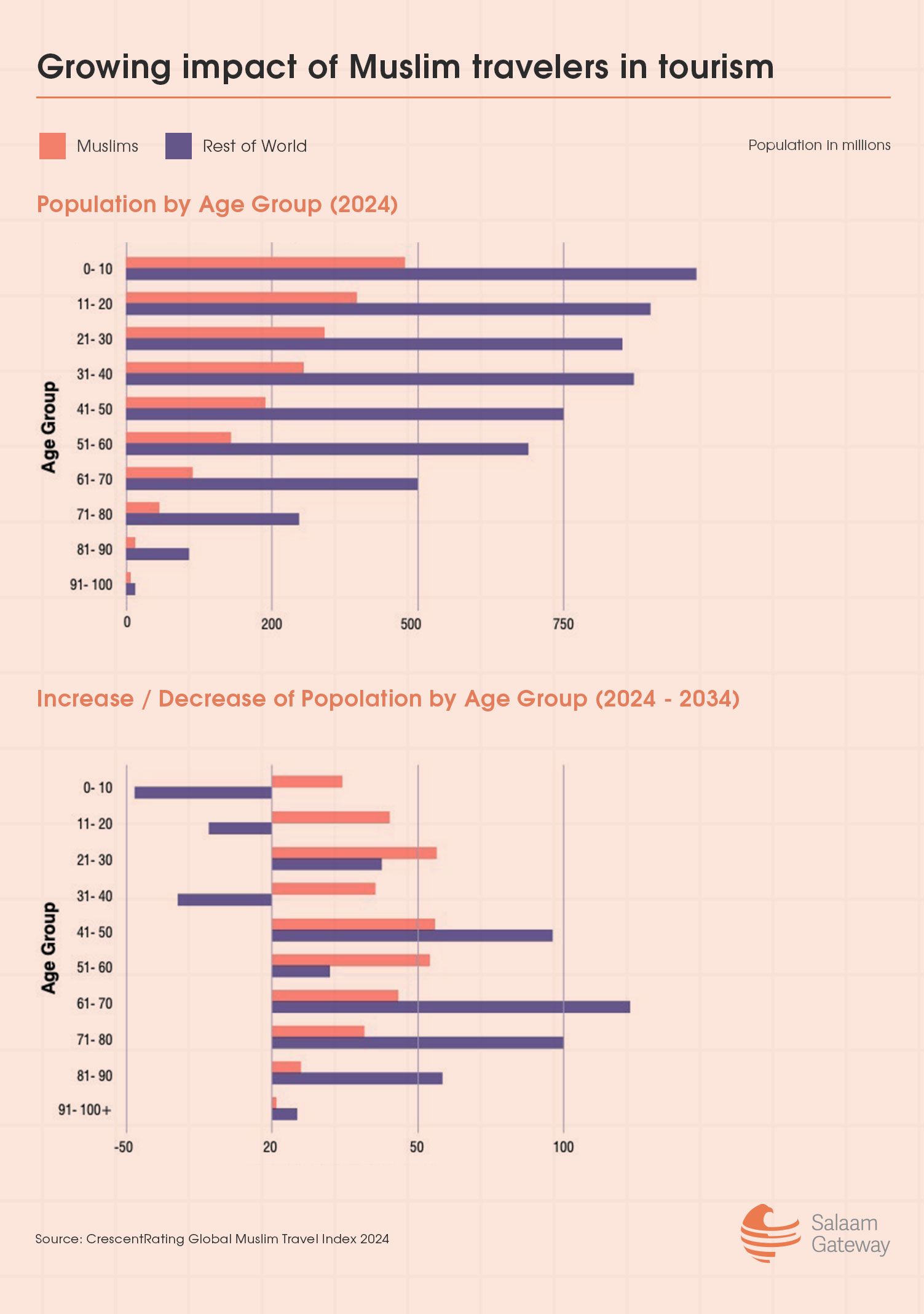
As the global travel landscape has evolved in recent years, especially post-pandemic, one segment that has emerged is that of the Muslim travel market. According to CrescentRating, in 2024, Muslim international arrivals hit 176 million, surpassing pre-pandemic levels by 10%. By 2030, this number is expected to climb to 245 million, with spending forecast to reach $235 billion. These figures underline the market’s economic potential and signal its growing clout in shaping travel trends.
Catering to the rise of the Muslim travel market
There’s truth to the saying, “First impressions last”, especially when it comes to arriving in a new destination. While the Muslim travel market is incredibly diverse, a few universal needs consistently shape traveler preferences. Chief among them are access to halal-certified food, clearly designated prayer spaces with proper qibla direction and gender separation, and accessible ablution (wudu) facilities. When these essentials are available, Muslim travelers are far more likely to choose destinations that accommodate their faith-based requirements over those that do not.
This has prompted a growing number of international airports in non-OIC (non-Muslim-majority) countries to invest in Muslim-friendly infrastructure.
According to CrescentRating, the key criteria used to assess Muslim-friendly airports include access to halal-certified food in both public and secure transit zones, dedicated prayer spaces with appropriate signage and qibla direction, gender-separated facilities, and accessible wudu stations nearby. Service quality, visibility of signage, and communication in multiple languages also factor into rankings.
This attention to detail reflects a commitment to inclusivity and serves as a competitive advantage. Airports that proactively meet the needs of Muslim travelers are more likely to be recommended, revisited, and featured in social media-driven decision-making. In many ways, airports have become quiet ambassadors of cultural respect, and those that get it right stand to benefit from the loyalty of a rapidly growing global segment.
The following airports have distinguished themselves for their thoughtful, inclusive amenities tailored to the needs of Muslim travelers.
Free, in under 30 seconds
Join thousands of professionals reading Salaam Gateway — the Global Islamic Economy Gateway.
Already a member? Sign in
- 5 free articles every month
- Weekly Islamic-economy newsletter
- Save articles to read later
Muhammad Ali Bandial